
Supplements for Gym-Goers: What Actually Works and What You Can Skip (2026)
Protein, creatine, caffeine, vitamin D, omega-3, magnesium and all-in-one drinks: what the research supports for people who train, typical daily amounts, and which supplements you can safely skip.
We may earn a commission when you buy through links in this article. This does not affect our opinions or ratings. How we make money.
Short answer: most people who train do not need a cupboard full of tubs. Enough protein, creatine monohydrate, sensible caffeine use and fixing a real gap such as low vitamin D cover most of what the research supports. Everything else is either a convenience, a top-up for a poor diet, or marketing. This guide goes through each one: what the evidence says, how much people usually take, and when it is worth paying for.
How we wrote this article: we read the position stands of the International Society of Sports Nutrition (ISSN), public health guidance from the NHS and the European Food Safety Authority (EFSA), and the product pages of the brands named below, checked on 27 October 2026. We have not used these products ourselves. This is general information, not medical advice: if you take medication, are pregnant, or have a kidney, heart or other health condition, speak to a doctor or pharmacist before starting any supplement.
Start with food, sleep and training
No supplement makes up for a training plan you do not follow, too little sleep or too few calories. Muscle is built by progressive training (adding weight, reps or sets over time) and by eating enough to recover. Sleep matters just as much: sleep researchers recommend at least seven hours a night for adults, and short sleep is linked with poorer recovery and lower training quality. If those three basics are in place, supplements can add a small extra. If they are not, the money is better spent on food.
Protein: the one most people should check first
Protein is not really a supplement. A powder is just a quick way to reach a daily target. The ISSN suggests 1.4 to 2.0 grams of protein per kilogram of body weight per day for most people who train, and a large 2018 meta-analysis found that gains in muscle mass levelled off at around 1.6 grams per kilogram. For an 80 kg person that is roughly 130 grams a day, spread over three or four meals of 20 to 40 grams each.
If you reach that from meat, fish, eggs, dairy, tofu, beans or lentils, you do not need a shake. If you struggle, a whey or plant protein powder is the cheapest way to fill the gap. One thing to keep in mind: greens powders and all-in-one daily drinks are not protein powders, so they do not count towards this target.
Creatine monohydrate: the best-studied option
Creatine is the supplement with the strongest research behind it for strength and muscle gain. The ISSN describes creatine monohydrate as the most effective nutritional supplement currently available for increasing high-intensity exercise capacity and lean body mass, and considers it safe for healthy people. The usual dose is 3 to 5 grams a day, taken at any time. Some people "load" with about 20 grams a day split into four doses for five to seven days, but this only speeds up the first week; the end result is the same.
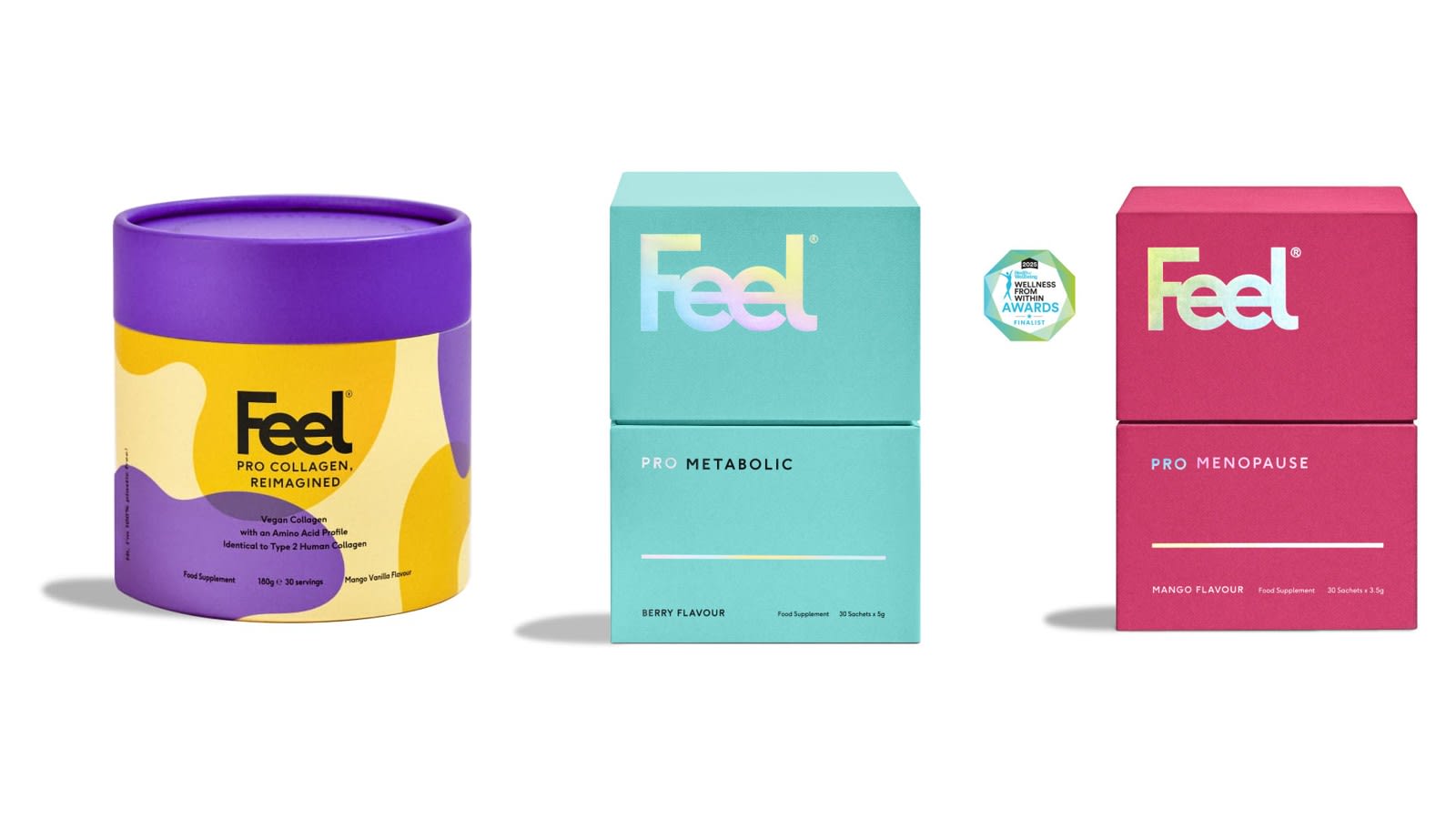
Expect a kilo or so of extra body weight in the first weeks. That is water stored in the muscle, not fat. Plain monohydrate powder is enough: newer forms cost more without better evidence. People who prefer it ready-flavoured can choose a standalone powder such as Feel Pro Creatine, or a drink that combines it with electrolytes such as Spacegoods Hydro Dust + Creatine. The Spacegoods drink lists 3 grams of creatine per serving, which is at the low end of the usual range, so check the grams per serving on any product before you compare prices.
Caffeine: useful, but dose it on purpose
Caffeine improves performance in both strength and endurance training. The ISSN puts the effective range at about 3 to 6 mg per kilogram of body weight, taken around 60 minutes before training. EFSA considers up to 400 mg a day safe for most healthy adults, with no more than 200 mg in one go for occasional users. A strong coffee is often enough. Pre-workout powders frequently pack 300 mg or more into one scoop, so read the label, and avoid caffeine in the six hours before bed, because poorer sleep cancels out the benefit.
Vitamin D, omega-3 and magnesium: fix a gap, do not chase a boost
These three do not build muscle on their own. They are worth taking when your diet or lifestyle leaves you short.
Vitamin D. Low levels are common in autumn and winter in northern countries, and in people who spend little time outdoors. The NHS advises everyone in the UK to consider 10 micrograms (400 IU) a day from October to March. EFSA sets the safe upper limit for adults at 100 micrograms (4,000 IU) a day. If you think you are low, a blood test gives you a real answer.
Omega-3. The research on omega-3 for muscle growth or strength is mixed, but it matters for general heart and brain health, and many people eat little or no oily fish. If that is you, a fish oil or algae oil supplement fills the gap. Algae-based capsules such as Feel Omega 3 (two capsules a day) suit vegans. Compare products by the milligrams of EPA and DHA per daily dose, not by the size of the capsule.
Magnesium. Magnesium supports normal muscle function and sleep quality, and hard training plus a diet low in nuts, seeds, whole grains and greens can leave people short. EFSA sets the upper limit for magnesium from supplements at 250 mg a day, since more can upset the stomach. Some people like it as an evening drink, such as Spacegoods Sleep+ Magnesium, a cocoa powder that blends three forms of magnesium with mushroom extracts and peptides. Blends like this are about the evening routine as much as the magnesium; if you only want the mineral, a plain magnesium glycinate or citrate tablet costs less.
Multivitamins and all-in-one daily drinks
A multivitamin will not make you stronger. What it can do is cover small gaps when your diet is not varied, when you are cutting calories, or when you travel a lot. There are two main formats. Capsules such as Feel Multivitamin (32 ingredients, two capsules a day) are the simpler and usually cheaper route. All-in-one powders mix vitamins and minerals with greens, probiotics and other ingredients into one drink. IM8 Daily Ultimate Essentials Pro, for example, lists 90 ingredients in a single daily serving and costs $89 a month on subscription or $112 as a one-time purchase (prices from IM8's site on 27 October 2026).
A powder like that suits people who would rather have one morning drink than several pills, and who are fine paying more for it. Two things to know before buying: it is not a protein or creatine supplement, so it does not replace either, and subscriptions like this renew automatically until you cancel them. If your diet is already good, the honest answer is that you may not need either format.
Supplements you can usually skip
- BCAAs. If you already eat enough protein, extra branched-chain amino acids add nothing that the protein did not already provide.
- Testosterone boosters. Herbal blends sold for this rarely show meaningful changes in muscle or strength in healthy men.
- Fat burners. Most are caffeine plus other stimulants at a premium price. A small calorie deficit does the actual work.
- Anything that promises fast results. Large, quick claims are the most common sign of a product that is either useless or contains something it should not.
How to choose a product you can trust
In the US, supplements do not need approval before they go on sale; in the UK and EU they are regulated as foods. That means the label is largely the maker's word. Third-party testing programmes such as NSF Certified for Sport and Informed Sport check products for banned substances and for whether the contents match the label, which matters most if you compete in a tested sport. IM8 says its Essentials Pro powder is NSF Certified for Sport; for any product, you can look it up on the programme's own website before you buy. Also check the dose per serving against the ranges in this guide, avoid "proprietary blends" that hide the amounts, and compare price per serving rather than price per tub.
Quick reference
| Supplement | Strength of evidence for training | Typical daily amount | Worth it if |
|---|---|---|---|
| Protein (food or powder) | Strong | 1.4 to 2.0 g per kg of body weight | You cannot reach your target from meals |
| Creatine monohydrate | Strong | 3 to 5 g | You lift or do short, hard efforts |
| Caffeine | Strong | 3 to 6 mg per kg, about 1 hour before | It does not hurt your sleep |
| Vitamin D | Fixes a gap | 10 micrograms (400 IU) in winter, per NHS advice | You get little sun or test low |
| Omega-3 | Mixed for performance | Check EPA and DHA on the label | You rarely eat oily fish |
| Magnesium | Fixes a gap | Up to 250 mg from supplements | Your diet is low in nuts, seeds and greens |
| Multivitamin or all-in-one drink | Fixes a gap | As labelled | Your diet is limited or irregular |
| BCAAs, testosterone boosters, fat burners | Weak | Not needed | Rarely |
A simple starting stack
For most people who train three or more times a week, a sensible start is: enough protein from food, with a powder only if you fall short; 3 to 5 grams of creatine monohydrate every day; coffee before training if it suits you; and vitamin D in the darker months. Add omega-3, magnesium or a multivitamin only if your diet leaves a clear gap. Give anything new at least four to eight weeks before you judge it, change one thing at a time, and keep the receipts on what actually made a difference.
Written by
Lyfestic Team
Comments
No comments yet. Be the first to share your experience.
Leave a comment
Your email is never published. Comments appear after a quick moderation check.